
A new "mansion tax" is coming to England in April 2028, and it could cost some homeowners thousands of pounds a year. Here is a clear, up-to-date guide to who pays, how much, and what it means, especially for London homeowners.
From April 2028, owners of England's most valuable homes will face a new annual charge on top of their council tax. In short, a major change is coming. Officially it is called the High Value Council Tax Surcharge. Almost everyone else calls it the mansion tax. It has been one of the most talked-about property stories of 2026, and with a new Prime Minister reportedly weighing changes, the headlines are not slowing down.
However, a lot of the coverage has been light on facts and heavy on scare stories. So let us set the record straight. This guide explains exactly what the mansion tax is, who will pay it, how much it will cost, and what it could mean for homeowners, particularly here in London and the South East, where most affected homes are found.
The mansion tax, officially the High Value Council Tax Surcharge, is a new annual charge on homes in England worth £2 million or more. It starts in April 2028 and ranges from £2,500 to £7,500 a year, depending on the property's value. It is paid by the owner, on top of normal council tax, and goes to the Treasury. The government estimates it will affect fewer than 1% of homes, around 165,000 properties, most of them in London and the South East.
The Mansion Tax at a Glance
Wondering how much your home is really worth, and whether these changes affect you? Find out for free.
What Is the Mansion Tax?
First, the mansion tax is a new yearly charge on high-value homes in England. Notably, its proper name is the High Value Council Tax Surcharge, and it was announced by then-Chancellor Rachel Reeves in the Autumn Budget of November 2025. It is due to take effect from April 2028.
Here is the important part. Crucially, it is an annual charge, not a one-off. Unlike stamp duty, which you pay once when you buy, the mansion tax is payable every single year for as long as you own a qualifying home. It is charged on top of your normal council tax, and crucially, the money goes to the Treasury rather than your local council.
Notably, one more key detail: it is paid by the owner of the property, not whoever happens to live there. So if you own a £2 million-plus home and rent it out, you pay the surcharge, not your tenant.
Quick clarification: despite the nickname, this is not a tax only on grand country estates. In today's market, plenty of ordinary family homes in London, especially larger houses in sought-after areas, are worth £2 million or more. That is why the story matters far beyond the truly wealthy.
How Much Will You Pay?
In practice, the surcharge works on a sliding scale, with four bands based on your home's value. The more your property is worth, the more you pay. Importantly, the charge is a flat amount per band, not a percentage of your home's value.
| Property value | Annual mansion tax |
|---|---|
| £2 million to £2.5 million | £2,500 |
| £2.5 million to £3.5 million | £3,500 |
| £3.5 million to £5 million | £5,000 |
| Over £5 million | £7,500 |
Source: House of Commons Library and HM Treasury, Autumn Budget 2025. Charges apply from April 2028 and are set to rise with inflation from 2029 to 2030 onwards.
So, for example, if your home is valued at £2.3 million, you would pay £2,500 a year. If it is worth £4 million, you would pay £5,000 a year, every year, on top of your existing council tax. Over time, that adds up to a significant sum, which is why the tax has caused such a stir among homeowners near the threshold.
↑ Back to topWho Pays It, and Who Does Not
Importantly, the government has been clear that this is designed to affect only a small slice of the market. According to HM Treasury, fewer than 1% of homes in England are expected to be worth £2 million or more. In practice, official modelling from the Office for Budget Responsibility estimates around 165,000 properties will be caught in the first year.
However, where those homes are matters enormously. The vast majority sit in London and the South East. In fact, earlier analysis suggested around 85% of affected homes are in these two regions. For much of the rest of the country, the mansion tax will barely register. For parts of London, it is a live concern.
You will likely pay if:
- You own a home in England valued at £2 million or more.
- You are the owner, whether you live in it or let it out.
You will not pay if:
- Your home is worth less than £2 million.
- You rent your home, since the charge falls on the owner, not the tenant.
- Your property is in Scotland or Wales, as this is an England-only measure for now.
The mansion tax is an owner's charge, not an occupier's. It applies to residential properties in England worth £2 million or more, wherever the owner lives. Tenants renting a high-value home will not pay it. Scotland and Wales are not covered by this particular measure.
Not sure which side of the threshold your home sits on? A professional valuation gives you certainty.
Could the Threshold Drop to £1.5 Million?
Meanwhile, this is the question driving many of the recent headlines, and it is where the politics comes in. Since becoming Prime Minister in July 2026, Andy Burnham has been reported to be considering lowering the threshold at which the mansion tax kicks in, from £2 million down to £1.5 million.
As a result, if that happened, the effect would be significant. Reports suggest it could pull in more than 150,000 additional households, again concentrated in London and the South East. A £1.5 million threshold would catch many more "ordinary" higher-value homes, not just the genuinely wealthy.
Important: this is speculation, not policy. As things stand, the threshold is £2 million. A drop to £1.5 million has been reported as under consideration, but nothing has been confirmed or legislated. It is worth watching, not panicking over.
In addition, it is also worth noting what the government has ruled out. In his first interview as Prime Minister, Burnham confirmed there would be no changes to stamp duty in the next Budget, and rejected the idea of replacing council tax and stamp duty with a single property tax at this stage. Therefore, while the mansion tax threshold is one to watch, wider property tax upheaval looks less likely in the immediate future.
↑ Back to topHow Your Home Will Be Valued
Understandably, a natural worry is how the authorities will decide whether your home crosses the threshold. Here is what we know so far.
Specifically, the surcharge will be based on your property's value as at April 2026, assessed by the Valuation Office. Properties judged to be worth £2 million or more will then be placed into one of the four bands. After that, revaluations are expected every five years, with the next general revaluation planned for 2033.
However, there is a catch worth understanding. Because house prices rise over time, those five-yearly revaluations could pull more homes into the net at each review, even if the thresholds stay the same. A home worth £1.8 million today could tip over £2 million by the next revaluation, which is why this tax may gradually affect more owners than it does on day one.
If your home is near the line: valuing a high-value property is not always straightforward, because there are often few directly comparable sales. If you think your home sits close to £2 million, a professional valuation from an agent who knows your local market is genuinely useful, both for planning and for any future challenge.
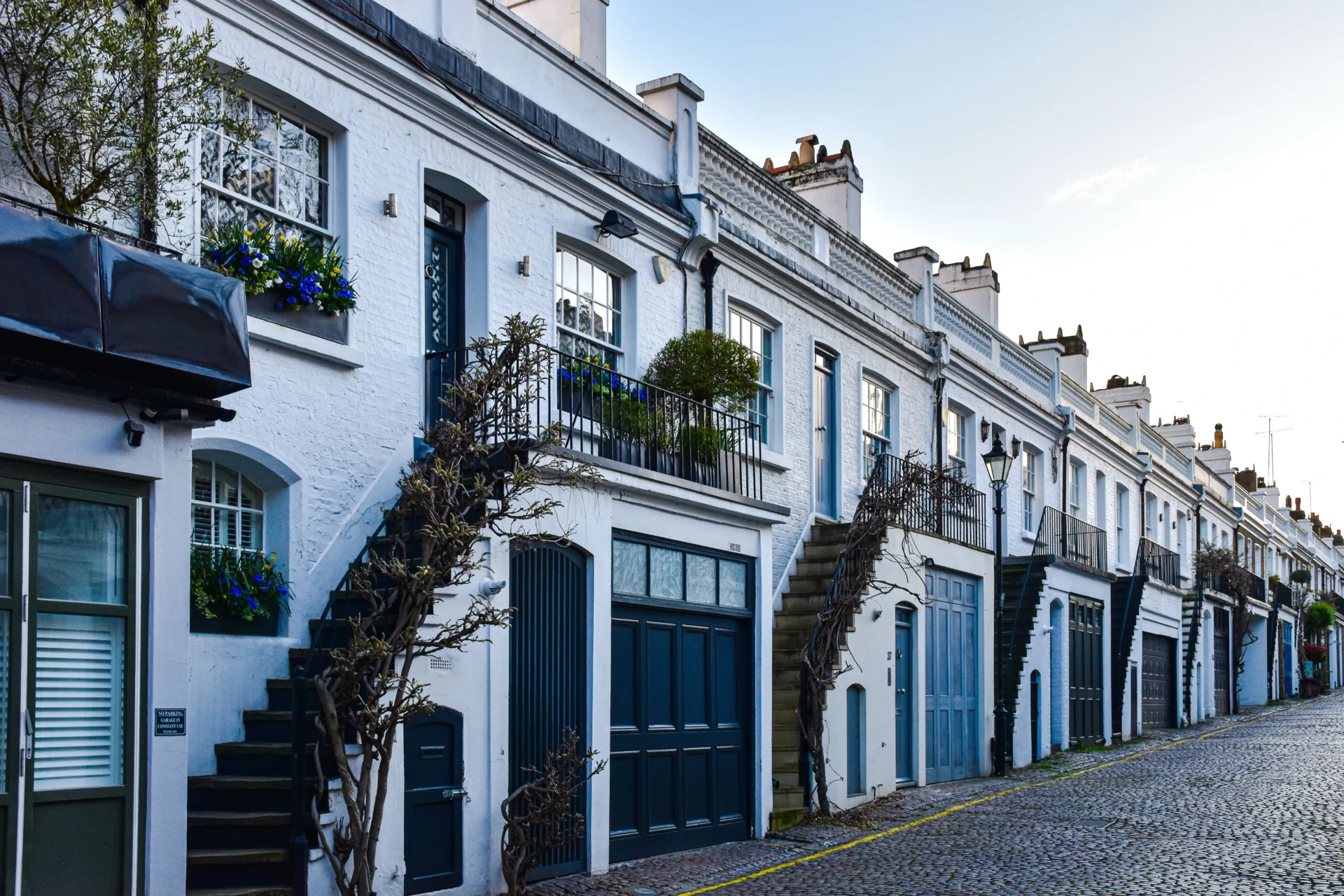
What It Means for London Homeowners
Because most affected homes are in London and the South East, this is very much a London story. In fact, HM Land Registry data analysed by the House of Commons Library shows that 67% of all homes sold for £2 million or more in England between January 2024 and April 2026 were in London, more than the rest of England combined. If you own, or are thinking of buying, a higher-value home in the capital, here is what to keep in mind.
Three things to keep in mind
First, consider the practical cost. For example, for a £2 million to £2.5 million home, the £2,500 annual charge is real but manageable for most owners in that bracket. At the top end, £7,500 a year is a meaningful ongoing cost that buyers will factor into what they are willing to pay.
Second, consider the effect on prices. Some experts believe an annual charge like this gets partly "priced in" to what buyers will offer. One academic analysis suggested a £2.5 million property facing a £2,500 yearly charge might see its value dip by around 2 to 3%, as buyers adjust their offers to reflect the future tax. In other words, the cost may show up in sale prices, not just in annual bills.
Third, and more reassuringly, the vast majority of London homes are nowhere near the threshold. Indeed, in most of the areas we serve across East London, from Hackney to Waltham Forest, typical family homes sit well below £2 million. For most local buyers and sellers, this tax simply will not apply. It is mainly a consideration at the premium end of the market.
For most East London homeowners, the mansion tax will not apply, since typical local homes sit well below the £2 million threshold. It is mainly relevant at the premium end of the market. However, if you own a larger or high-value property, it is worth knowing where you stand, and factoring the charge into any decision to buy, sell or hold.
What You Can Do Now
Admittedly, April 2028 may feel a long way off, but a little preparation now is sensible, especially if your home is anywhere near the threshold. Here are some practical steps.
- Know your home's value. The single most useful thing is an accurate, up-to-date valuation. If you are comfortably below £2 million, you can stop worrying. If you are close, you can plan.
- Keep an eye on the threshold debate. Watch for confirmation on whether the £2 million line holds or drops to £1.5 million. Base decisions on confirmed policy, not headlines.
- Factor it into buying decisions. If you are buying a high-value home, remember the surcharge is an ongoing annual cost, so build it into your budget from the start.
- Get advice before acting. Do not rush to sell purely because of a tax that is years away and may yet change. Speak to a valuer, and to a tax adviser, before making big moves.
Above all, keep a sense of proportion. This is a tax on a small share of homes, arriving in 2028, with details still being worked out. Good information beats panic every time.
↑ Back to topFrequently Asked Questions
Here are the questions homeowners ask most about the mansion tax. First, the basics. After that, the finer detail.
The basics
What is the mansion tax?
The mansion tax, officially the High Value Council Tax Surcharge, is a new annual charge on homes in England worth £2 million or more. It begins in April 2028, ranges from £2,500 to £7,500 a year depending on value, and is paid by the owner on top of normal council tax. The money goes to the Treasury, not the local council.
How much is the mansion tax?
It is charged on a sliding scale with four bands: £2,500 a year for homes worth £2 million to £2.5 million, £3,500 for £2.5 million to £3.5 million, £5,000 for £3.5 million to £5 million, and £7,500 for homes over £5 million. The charge is a flat amount per band, not a percentage of the property's value.
When does the mansion tax start?
The mansion tax takes effect from April 2028. It was announced in the Autumn Budget of November 2025. Valuations will be based on property values as at April 2026, and the charge is set to rise in line with inflation from 2029 to 2030 onwards.
Who pays the mansion tax, the owner or the tenant?
The owner pays it, not the tenant. The surcharge applies to whoever owns a qualifying property, regardless of who lives there. So if you own a £2 million-plus home and let it out, you are liable for the charge, not your tenant.
The finer detail
Could the mansion tax threshold drop to £1.5 million?
It has been reported that Prime Minister Andy Burnham is considering lowering the threshold from £2 million to £1.5 million, which could affect over 150,000 more homes. However, this is speculation, not confirmed policy. As things stand, the threshold is £2 million. It is worth watching for official confirmation before acting.
How will my home be valued for the mansion tax?
The Valuation Office will assess your property's value as at April 2026. Homes worth £2 million or more are then placed in one of four bands. Revaluations are expected every five years, with the next general revaluation planned for 2033. Therefore, because prices rise, more homes may be drawn in at each revaluation.
Will the mansion tax affect my home's value?
Possibly, at the top end. Some analysis suggests an annual charge gets partly priced in, with one estimate that a £2.5 million home facing a £2,500 yearly charge might dip around 2 to 3% in value. The effect is likely modest and limited to homes near or above the threshold, not the wider market.
Location and other taxes
Does the mansion tax apply in Scotland and Wales?
No. As announced, the High Value Council Tax Surcharge applies to residential properties in England only. Scotland and Wales set their own property taxes and are not covered by this particular measure, though their governments could introduce similar charges separately in future.
Is stamp duty changing too?
Not in the near term. Prime Minister Andy Burnham has ruled out changing or scrapping stamp duty in the next Budget, and rejected replacing council tax and stamp duty with a single property tax at this stage. For now, the mansion tax is the main high-value property change on the horizon.
Want to know exactly where your home stands?
Get an accurate, no-obligation valuation from East London's family-run agency since 1988.