
Leasehold ownership is facing its biggest shake-up in a generation. If you own a flat, are buying one, or rent one out, here is a plain-English guide to the 2026 reforms, what is changing, what is not, and what it means for you.
For decades, most flats in England and Wales have been sold as leasehold, a system that leaves owners paying ground rent and service charges to a freeholder, with a lease that shrinks in value every year. In 2026, the government set out plans to change that for good. However, the reforms are complex, they are arriving in stages, and much of the reporting has been either confusing or alarming.
So let us cut through the noise. This guide explains the draft Commonhold and Leasehold Reform Bill in clear terms, separates what is actually law from what is only proposed, and, crucially, reassures existing flat owners about what does and does not affect them right now.
The Reforms in a Nutshell
The government plans to end leasehold for most new flats and make commonhold, a form of freehold ownership, the default instead. The draft Commonhold and Leasehold Reform Bill, published in January 2026, also proposes to cap ground rents on existing leases at £250 a year and abolish forfeiture. Importantly, none of this is law yet, and the ban on new leasehold flats may not take effect until 2029 or later. If you already own a leasehold flat, you can still sell, extend and mortgage it exactly as before.
Own a leasehold flat in East London and unsure what these changes mean for you? Ask our team.
What Is Leasehold, and Why Is It Changing?
First, when you buy a leasehold flat, you do not own it outright. Instead, you own the right to live there for a fixed number of years, often 99, 125 or 999, under a lease granted by the freeholder, who owns the building and the land beneath it.
However, that arrangement comes with well-known drawbacks. You usually pay ground rent and service charges. You often need the freeholder's permission, and a fee, to make alterations, sublet or keep a pet. Worst of all, the lease is a "wasting asset": as the years tick down, the flat can become harder to sell or mortgage, and extending the lease can be expensive.
Leasehold is also unusual by global standards. Most countries abandoned this kind of system long ago. In fact, in 2018 around 57% of property transactions in London were leasehold, compared with 24% across England as a whole, so this matters especially to flat-heavy areas like much of East London.
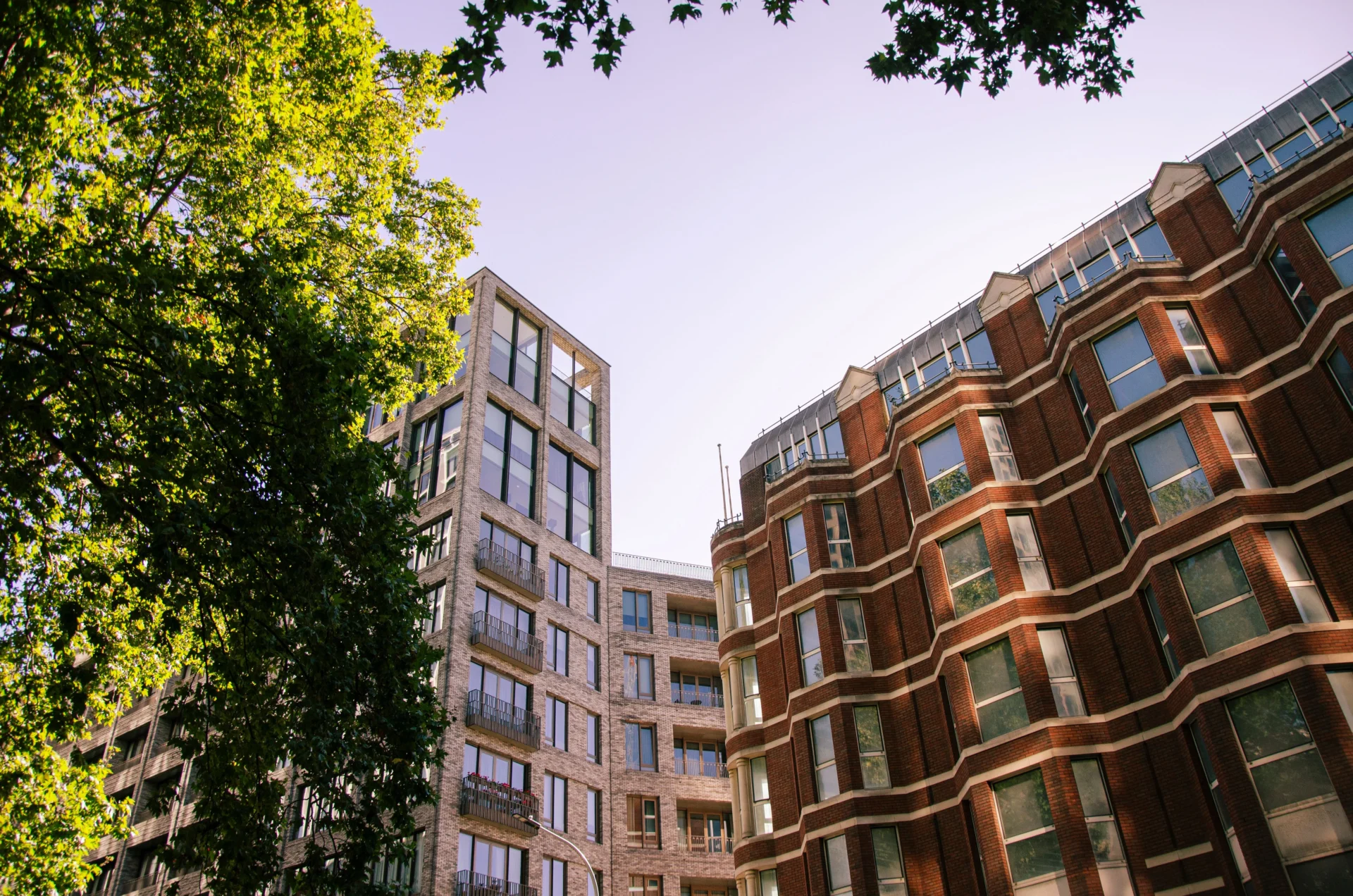
Leasehold means you own your flat only for a set period, not forever, and you answer to a freeholder who can charge ground rent and fees. The 2026 reforms aim to replace this with commonhold, where flat owners own their homes outright and run the building themselves.
What Is Commonhold?
Commonhold is the alternative the government wants to make standard. In short, it is a way of owning a flat outright, with no lease and no freeholder sitting above you.
In practice, under commonhold, you own the freehold of your individual flat, indefinitely, in the same way someone owns a freehold house. There is no ticking clock and no wasting asset. Meanwhile, the shared parts of the building, such as the hallways, roof, lifts and grounds, are owned and managed collectively by all the flat owners through a body called a commonhold association, which they control between them.
The practical differences are significant:
- No expiry date. You own your home forever, so it does not lose value as a lease would.
- No ground rent. There is no freeholder to pay ground rent to.
- No forfeiture. You cannot lose your home to a freeholder over a minor breach.
- Collective control. Owners jointly decide on maintenance, costs and insurance, rather than a third-party landlord deciding for them.
Commonhold is not actually new. It was introduced back in 2002, but the original rules were so flawed that fewer than 20 developments ever used it. Therefore, the 2026 reforms are designed to fix those flaws and finally make commonhold work at scale.
↑ Back to topWhat the 2026 Reforms Actually Propose
Now, the draft Commonhold and Leasehold Reform Bill was published on 27 January 2026. It is the larger, second wave of reform, following the Leasehold and Freehold Reform Act 2024, which is already law and deals with lease extensions and the Right to Manage. The new Bill tackles the bigger structural changes. Here are the headline proposals.
1. A ban on most new leasehold flats
The Bill would ban the sale of most new leasehold flats and make commonhold the default for new blocks. In effect, it does for flats what the 2024 Act did for new leasehold houses. Note the key word: new. This applies to newly built flats, not the millions of existing ones.
2. A cap on ground rents
Meanwhile, for existing leases, ground rents would be capped at £250 a year, then reduced to a peppercorn (effectively zero) 40 years after the legislation begins. This is aimed squarely at the escalating ground rents that have trapped so many leaseholders.
3. The abolition of forfeiture
Forfeiture is the harsh rule that lets a freeholder end a lease, and take back the flat, over a relatively minor debt. The Bill proposes to abolish it for residential leases, removing one of the most feared powers freeholders hold.
The reforms have two goals. First, to stop the leasehold problem growing by banning new leasehold flats. Second, to ease the burden on existing leaseholders through the ground rent cap and the end of forfeiture. Together, they represent the biggest change to flat ownership in England and Wales in decades.
Thinking of buying or selling a flat in East London? We will explain exactly where you stand.
What Is Law Now vs Still Only Proposed
Understandably, this is where most coverage causes confusion, so let us be precise. It is genuinely important to know what has actually changed versus what is merely on the horizon, because acting on a rule that is not yet in force could be a costly mistake.
| Reform | Status | Likely timing |
|---|---|---|
| Leasehold and Freehold Reform Act 2024 (lease extensions, Right to Manage, service charge rules) | Law, being phased in | Rolling out in stages now |
| Two-year ownership rule removed before extending a lease | In force | Since early 2025 |
| Ban on most new leasehold flats | Proposed (draft Bill) | Possibly 2029 or later |
| £250 ground rent cap on existing leases | Proposed (draft Bill) | Around late 2028 |
| Abolition of forfeiture | Proposed (draft Bill) | Timing not confirmed |
The key point: the headline reforms, the flat ban, the ground rent cap and the end of forfeiture, are proposals in a draft Bill. They are not law yet. The final Bill is expected to be introduced to Parliament in the 2026 to 2027 session, and the measures will commence at different times over several years.
What It Means If You Already Own a Leasehold Flat
So if you own a leasehold flat right now, here is the reassurance you need: nothing changes for you overnight, and you are not stuck. This is the single most misunderstood part of the whole story.
You can still do everything you could before:
- You can still sell. The proposed ban applies only to new flats. Your existing leasehold flat can be sold exactly as normal.
- You can still extend your lease. In fact, thanks to the 2024 Act, the old rule that you had to own the flat for two years first has already been removed.
- You can still mortgage and remortgage. Lenders continue to lend on leasehold flats.
Looking ahead, existing leaseholders stand to benefit from the reforms too. The ground rent cap would limit what you pay, and the end of forfeiture would remove a real risk. There may also, in time, be a route to convert existing blocks to commonhold, though the detail of that is still being worked out.
Watch your lease length. One thing has not changed: a short lease still reduces value and can make selling or mortgaging harder. If your lease is heading below about 80 years, it is still worth taking advice on extending it, reforms or no reforms.
What It Means If You Are Buying a Flat
Similarly, if you are buying, the reforms add a few things to think about, but they should not put you off. Most flats on the market today are, and will remain, leasehold for some time, so understanding what you are buying matters more than ever.
Buying an existing leasehold flat
Reassuringly, this remains completely normal and safe. Just do the usual due diligence: check the remaining lease length, the ground rent, the service charges, and any major works planned. A short lease or an onerous ground rent is a point to negotiate on, or to factor into your offer.
Buying a new-build flat
In that case, ask the developer directly whether the flat is leasehold or commonhold. As the reforms bite, more new developments may be sold as commonhold. Either way, make sure your conveyancer explains the tenure clearly before you commit.
Generally, no. Because the flat ban may be years away and applies only to new flats, waiting for commonhold to become widespread could mean putting your life on hold for a long time. A well-chosen leasehold flat with a long lease and fair charges remains a sound purchase. Buy the right home on the right terms, rather than trying to time the legislation.
What It Means for Landlords
Likewise, if you own a leasehold flat that you let out, the same reassurance applies: you can continue to let, sell or extend as normal. The reforms do not restrict your ability to rent out an existing leasehold flat.
There are a couple of points worth keeping on your radar, though:
- Ground rent income. If you happen to own a freehold interest and rely on ground rent income, the proposed cap would reduce the value of that income stream over time.
- Commonhold management. If you buy into a commonhold block in future, you would become a member of the commonhold association, with a say, and a share of responsibility, in running the building.
Ultimately, for most buy-to-let landlords, the day-to-day impact in the near term is minimal. This is a reform aimed at how flats are owned, not at how they are let.
↑ Back to top
Frequently Asked Questions
Here are the questions flat owners and buyers ask most about the 2026 leasehold reforms. First, the basics. After that, what it means for your own property.
Understanding the reforms
Are leasehold flats being banned?
Not existing ones. The draft Commonhold and Leasehold Reform Bill proposes to ban the sale of most new leasehold flats and make commonhold the default instead. It applies to newly built flats, not the millions of existing leasehold flats. The ban is only proposed, not yet law, and may not take effect until 2029 or later.
What is the difference between leasehold and commonhold?
With leasehold, you own your flat for a fixed term, pay ground rent and service charges to a freeholder, and the lease loses value over time. With commonhold, you own your flat outright and forever, there is no freeholder and no ground rent, and you help run the building collectively with the other owners through a commonhold association.
What is the ground rent cap?
The draft Bill proposes capping ground rents on existing leases at £250 a year, then reducing them to a peppercorn (effectively zero) 40 years after the law begins. This is designed to protect leaseholders from escalating ground rents. It is a proposal, with commencement indicated around late 2028, subject to Parliament.
When do the leasehold reforms come into force?
The timetable is staggered and uncertain. The Leasehold and Freehold Reform Act 2024 is already law and rolling out in stages. The bigger changes in the draft 2026 Bill, the flat ban, ground rent cap and end of forfeiture, are expected to be introduced to Parliament in the 2026 to 2027 session and to commence at different times, with the flat ban possibly not until 2029 or later.
What it means for you
Can I still sell my leasehold flat?
Yes, absolutely. The proposed ban applies only to new flats, so your existing leasehold flat can be sold exactly as normal. Buyers can still get mortgages on leasehold flats, and demand for well-priced flats with a long lease remains strong, especially in flat-heavy areas like East London.
Should I extend my lease now or wait for the reforms?
If your lease is getting short, generally do not wait. A short lease still reduces your flat's value and can make it harder to sell or mortgage today, regardless of future reforms. The 2024 Act has already removed the two-year ownership rule, making extensions easier. Take advice on your specific lease before deciding.
Should I avoid buying a leasehold flat?
No, not on the strength of the reforms alone. Most flats for sale are leasehold and will be for some time. A leasehold flat with a long lease, fair ground rent and reasonable service charges remains a sound purchase. Do the usual checks, negotiate on any red flags, and buy the right home rather than trying to time the legislation.
Will these reforms make my flat worth more?
Possibly, over time. The ground rent cap and the end of forfeiture remove burdens that can weigh on a flat's value, which may help. However, the effect will vary by property and none of it is guaranteed or immediate. The bigger driver of your flat's value remains the usual factors: location, condition, lease length and the local market.
Leasehold questions? We are here to help.
Honest, expert advice on buying, selling or letting flats in East London, from a family-run agency since 1988.