
The rules are now confirmed: every private rented home in England and Wales must reach EPC C by 1 October 2030. Here is what the deadline means, the £10,000 cost cap, the exemptions, and exactly what landlords should do now.
After years of uncertainty, the government has finally confirmed the new energy rules for rental homes. From 1 October 2030, all private rented properties must meet a minimum EPC rating of C. For many landlords, especially those with older homes, this is one of the biggest changes in a decade, alongside the Renters' Rights Act.
The good news is that you now have clarity and time to plan. In this guide, we explain the confirmed deadline, how much you may have to spend, the £10,000 cost cap, the exemptions that can protect you, and the practical steps to take now, so the deadline never catches you out.
From 1 October 2030, all private rented homes in England and Wales must have an EPC rating of C or better. This single deadline, confirmed in the government's Warm Homes Plan in January 2026, replaces the earlier 2028 proposal for new tenancies. Landlords must spend up to £10,000 per property on qualifying improvements, or the lower of £10,000 and 10% of the value for homes under £100,000. If a property still falls short after that spend, you can register a cost-cap exemption lasting 10 years. Penalties for non-compliance can reach £30,000, so planning early matters.
EPC C 2030 at a Glance
A landlord unsure how the EPC C rules affect your property? Get local, honest advice.
What Is the EPC C 2030 Rule?
An EPC, or Energy Performance Certificate, rates how energy efficient a property is, from A (best) to G (worst). The new rule sets a minimum standard for rented homes. From 2030, you will not be able to let a property legally unless it reaches EPC C or better.
Right now, the minimum standard for rented homes is EPC E. So for many landlords, moving to C is a real step up. It may mean improvements such as better insulation, a more efficient boiler or heat pump, double glazing, or low-energy lighting.
Importantly, this is now confirmed government policy, not a proposal. The government set it out in the Warm Homes Plan, published in January 2026, which committed billions to improving the energy efficiency of homes across the country. So landlords can plan with confidence.
↑ Back to topWhen Is the EPC C Deadline?
The deadline is a single date: 1 October 2030. By then, every private rented home in England and Wales must meet EPC C. This applies to all tenancies, both new and existing, so there is no separate earlier date to worry about.
This is a change from what many landlords may remember. The previous plan set 2028 for new tenancies and 2030 for existing ones. However, the government scrapped that split in January 2026. So now there is just one clear deadline for everyone.
One date to remember: 1 October 2030. Ignore older articles that still mention a 2028 deadline for new tenancies, as that plan has been dropped. There is now a single compliance date for all private rented homes.
There is also a related change coming to how EPCs are calculated. The government is introducing new assessment metrics, sometimes called the Home Energy Model, which change how a property's rating is calculated. So it is worth getting a fresh assessment closer to the deadline rather than relying only on an old certificate.
↑ Back to topHow Much Will It Cost? The £10,000 Cap
This is the question every landlord asks, and here there is genuinely reassuring news. You are not expected to spend without limit. The government has set a clear cost cap on what you must invest.
The £10,000 cost cap
The cost cap is £10,000 per property. In other words, you are expected to spend up to £10,000 on qualifying improvements to reach EPC C. If the property still falls short after you have spent that amount, you will not have to keep spending. This is a big increase from the old £3,500 cap, but it also gives certainty.
Lower-value properties
For homes worth under £100,000, the cap is lower. It becomes the lower of £10,000 or 10% of the property's value. So a property worth £80,000 would have a cap of £8,000, not the full £10,000. This protects owners of lower-value homes from disproportionate costs.
Good to know: qualifying work you carried out since 1 October 2025 counts towards your cap. So if you have already upgraded insulation or heating recently, keep the invoices, as that spending may count. Government data estimates the average cost to reach C at around £5,400 per property, well below the cap for many homes.
Want to know what your rental needs to reach EPC C? Ask our team for honest, local advice.
What Exemptions Are Available?
Not every property will reach EPC C, and the rules recognise that. There are exemptions that can protect you, as long as you register them properly. The main ones are set out below.
- Cost-cap exemption. If you spend the full £10,000, or 10% of value for a lower-value home, and the property still does not reach C, you can register an exemption. This lasts 10 years.
- Negative impact exemption. Where a specific improvement would damage the property or reduce its value significantly, that measure may be exempt.
- Property or value impact. You can exclude certain measures that would harm the fabric or value of the building.
- Consent exemptions. Where you need permission, for example from a tenant, lender or planning authority, and they refuse it, an exemption may apply.
Heritage change to note: the old blanket exemption for listed and heritage buildings is being removed. So owners of period and listed homes can no longer assume they are automatically exempt, and should plan carefully. You must register all exemptions on the PRS Exemptions Register, with evidence.
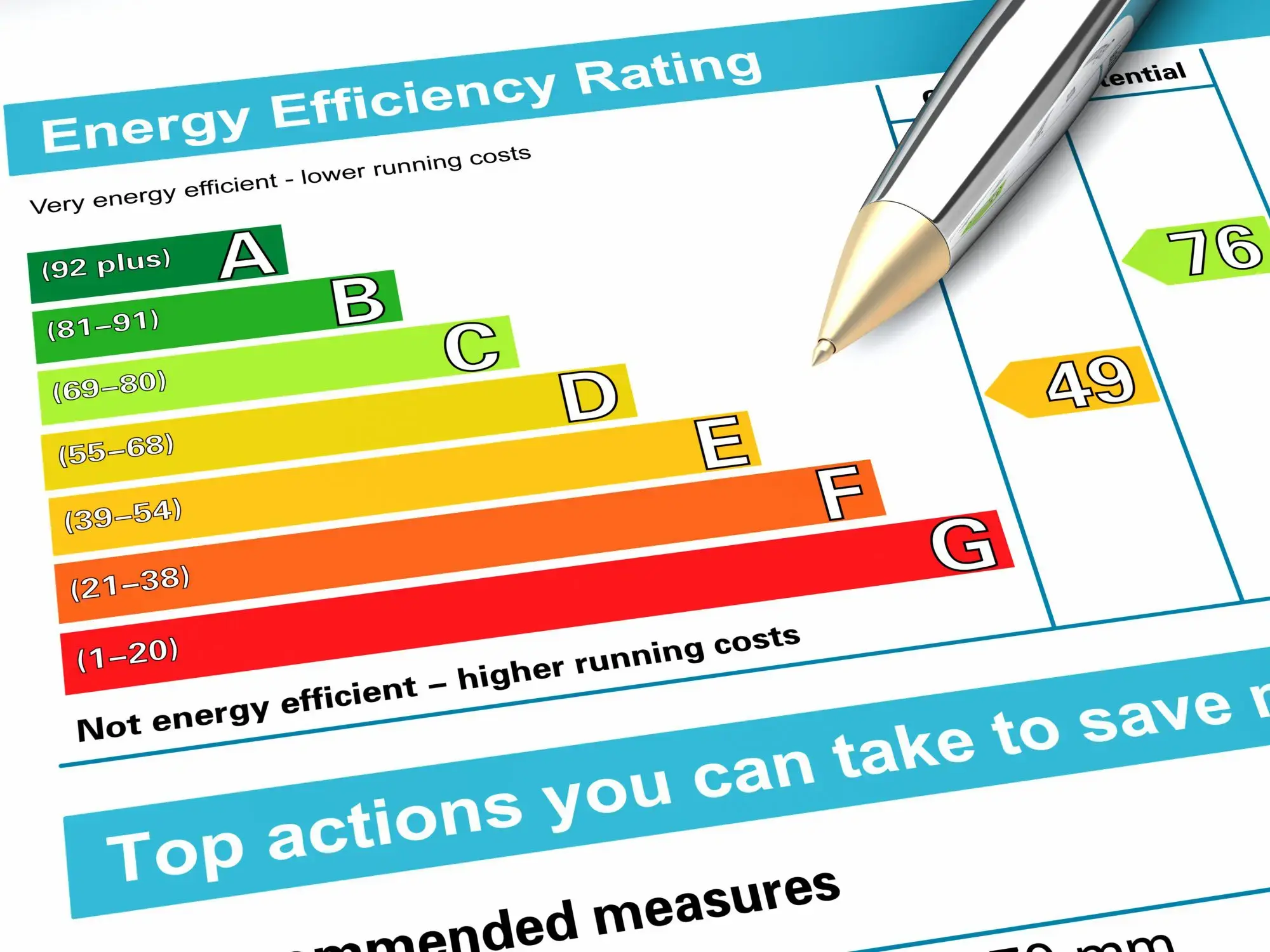
How to Improve Your EPC Rating
Reaching EPC C is usually achievable, and often cheaper than landlords fear. The key is to start with the measures that give the biggest improvement for the lowest cost. Here are the main ways to raise a rating.
- Insulation. Loft, cavity wall and, where suitable, solid wall insulation often give the biggest gains. Loft insulation in particular is cheap and effective.
- Heating. An efficient modern boiler, smart heating controls, or a heat pump can lift a rating significantly.
- Windows and doors. Double or secondary glazing reduces heat loss and improves comfort.
- Lighting. Switching to low-energy LED lighting is one of the cheapest improvements, and it adds points.
- Draught-proofing. Sealing gaps around doors, windows and floors costs little and works well.
- Renewables. Solar panels can help, though they are a larger investment.
The smartest first step is a fresh EPC assessment and a recommendations report. This tells you exactly which measures will move your property to C, and roughly what each will cost. In short, you can then spend where it counts, rather than guessing.
↑ Back to topWhat Landlords Should Do Now
With the deadline confirmed, the worst thing to do is nothing. Costs and demand for assessors and tradespeople will only rise as 2030 approaches. Acting early is cheaper and far less stressful. Here is a simple plan.
- Check your current rating. Find your property's EPC on the GOV.UK register and see where it sits. If it is already C or above, you are in good shape, though keep it under review.
- Get a recommendations report. A fresh assessment shows exactly what is needed to reach C and the likely cost.
- Plan the work early. Spread upgrades over the next few years rather than rushing them in 2030. It is cheaper and easier.
- Keep every invoice from October 2025. Qualifying spend from that date counts towards your cap, so keep the paperwork.
- Factor it into bigger decisions. If a property needs major work anyway, do the energy upgrades at the same time.
Above all, do not leave it until the last minute. Landlords who plan now will spread the cost, avoid the 2030 rush, and keep their properties fully lettable. This is exactly the kind of forward planning a good managing agent helps with.
Let us help you plan ahead and keep your rental compliant and lettable through 2030 and beyond.
EPC C and Older Homes
The EPC C rule matters most in areas with lots of older housing, and that includes much of Hackney and East London. Victorian and Edwardian homes are beautiful, but their solid walls, older windows and original features can make them harder to insulate and heat efficiently.
For landlords with period properties, this needs thought now rather than later. Solid-wall insulation, careful draught-proofing and efficient heating can all help, but they take planning and, sometimes, consent. With the government removing the old heritage exemption, owners of period and listed homes should not assume they are off the hook.
As a local agency that manages many period homes across Hackney, we understand these challenges well. Our Hackney landlord service includes guidance on compliance and improvements, so you can plan upgrades sensibly and keep your property lettable well before 2030.
↑ Back to topFrequently Asked Questions
Here are the questions landlords ask most about the EPC C 2030 rules. First, the basics. After that, costs, exemptions and action.
The basics
When do rental properties need to be EPC C?
All private rented homes in England and Wales must reach EPC C by 1 October 2030. This single deadline applies to all tenancies, both new and existing. It was confirmed in the government's Warm Homes Plan in January 2026, replacing the earlier proposal of a 2028 date for new tenancies.
Is the EPC C 2030 deadline confirmed?
Yes. It is confirmed government policy, not a proposal. The government published its response to the private rented sector consultation as part of the Warm Homes Plan in January 2026, setting a single compliance date of 1 October 2030, a £10,000 cost cap, and penalties for non-compliance. Legislation will follow.
Is the EPC deadline 2028 or 2030?
It is 2030. The earlier proposal of a 2028 deadline for new tenancies was dropped in January 2026 under the Warm Homes Plan. There is now a single compliance date of 1 October 2030 for all private rented homes, so any article still mentioning 2028 is out of date.
What is the current minimum EPC rating for rentals?
Right now, the minimum EPC rating to let a property is E. From 1 October 2030, this rises to C. So landlords with properties rated D, E, F or G will need to improve them to meet the new standard, unless a valid exemption applies.
Costs, exemptions and action
How much will it cost landlords to reach EPC C?
The cost cap is £10,000 per property, or the lower of £10,000 and 10% of value for homes under £100,000. You are not required to spend beyond the cap. Government data estimates the average cost to reach C at around £5,400, and qualifying work done since October 2025 counts towards your cap.
What if my property cannot reach EPC C?
If you spend up to the cost cap and the property still does not reach C, you can register a cost-cap exemption, which lasts 10 years. Other exemptions exist too, such as where an improvement would damage the property or where needed consent is refused. You must register all exemptions on the PRS Exemptions Register.
Exemptions and penalties
Are listed and period properties exempt?
Not automatically. The government is removing the old blanket exemption for listed and heritage buildings. Owners of period and listed homes should plan carefully and look at suitable improvements, as they can no longer assume they are exempt. Specific measures that would harm the building may still qualify for exemption.
What is the penalty for not meeting EPC C?
If you let a property that does not meet the minimum standard without a valid exemption, penalties can reach up to £30,000. This is a significant increase from previous levels, which is another reason to plan improvements early rather than risk a fine close to the deadline.
What should landlords do now to prepare?
Check your current EPC rating, get a recommendations report to see what reaching C requires, and plan upgrades over the next few years rather than rushing them in 2030. Keep invoices for qualifying work from October 2025 onwards. Early planning spreads the cost and avoids the pre-deadline rush.
Plan for EPC C the easy way.
From compliance to upgrades and management, homefinders helps landlords stay ahead. Family-run in East London since 1988.